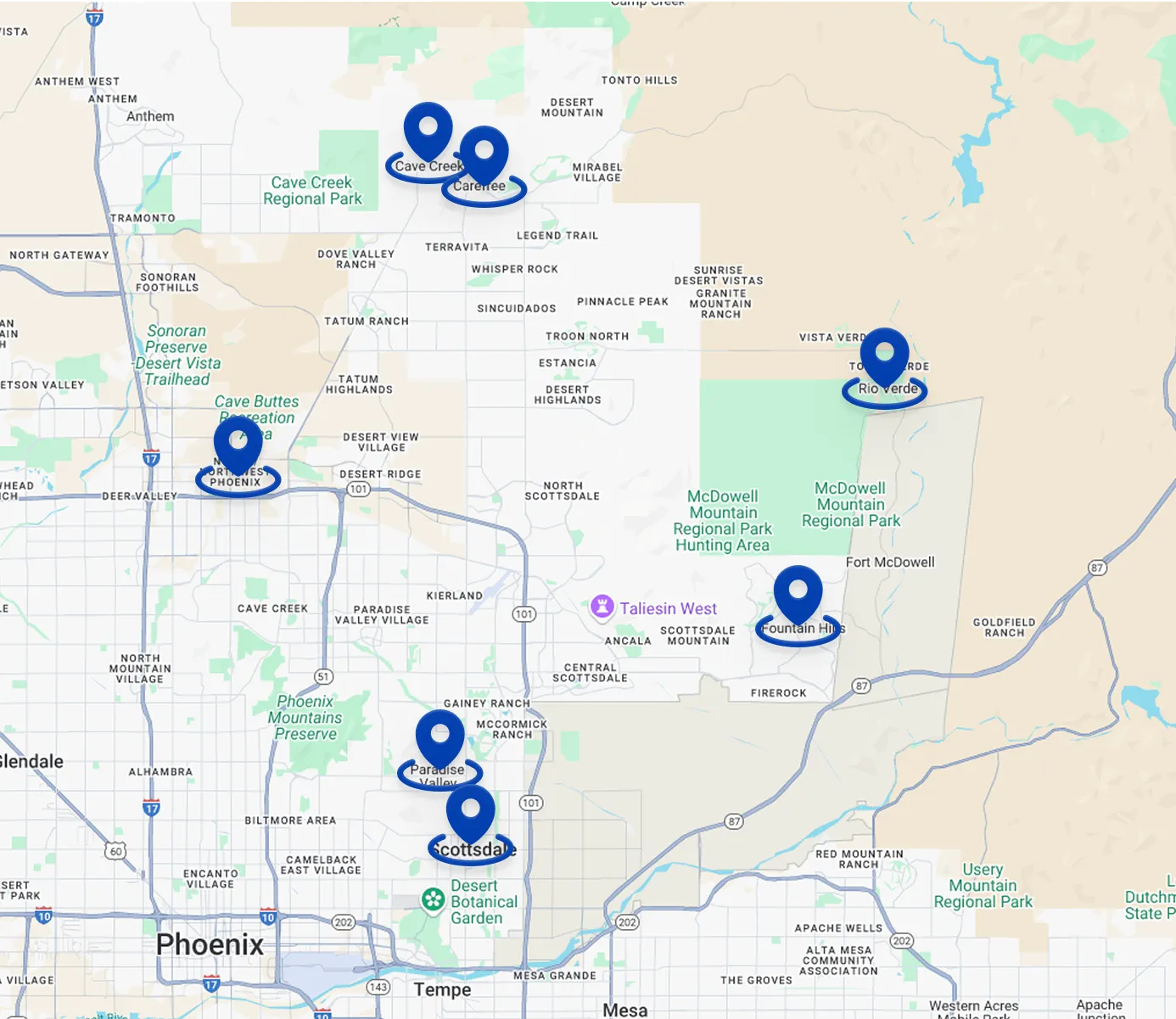
Furnace Tune-up in Fountain Hills, AZ
Keeping your furnace well maintained is an easy way to protect comfort, safety, and equipment value in Fountain Hills, AZ. Even though heating runs less than in colder climates, seasonal temperature swings, dusty monsoon months, and the rapid cooling on desert nights mean furnaces still need annual attention. A comprehensive furnace tune-up in Fountain Hills, AZ ensures reliable starts, efficient operation, and peace of mind when temperatures drop.
Why a Furnace Tune-up Matters in Fountain Hills
- Desert dust, pollen, and monsoon debris can clog filters and build up on burners and heat exchangers, reducing efficiency and increasing wear.
- Furnaces that sit idle through long warm stretches can develop ignition or control issues that only appear when you first call for heat.
- Proper seasonal maintenance reduces the risk of carbon monoxide hazards and unexpected breakdowns during cold nights.
- Annual tune-ups extend equipment life, improve comfort, and help keep energy use predictable during heating periods.
Common Furnace Problems We Find in Fountain Hills Homes
- Hard starts or repeated ignition failures after a long idle period.
- Reduced heat output from dirty burners or a fouled heat exchanger.
- Short cycling caused by airflow restrictions or thermostat miscalibration.
- Elevated indoor dust and uneven heating due to dirty filters and duct leakage.
- Safety concerns such as cracked heat exchangers or improper combustion requiring immediate attention.
What a Comprehensive Furnace Tune-up Includes
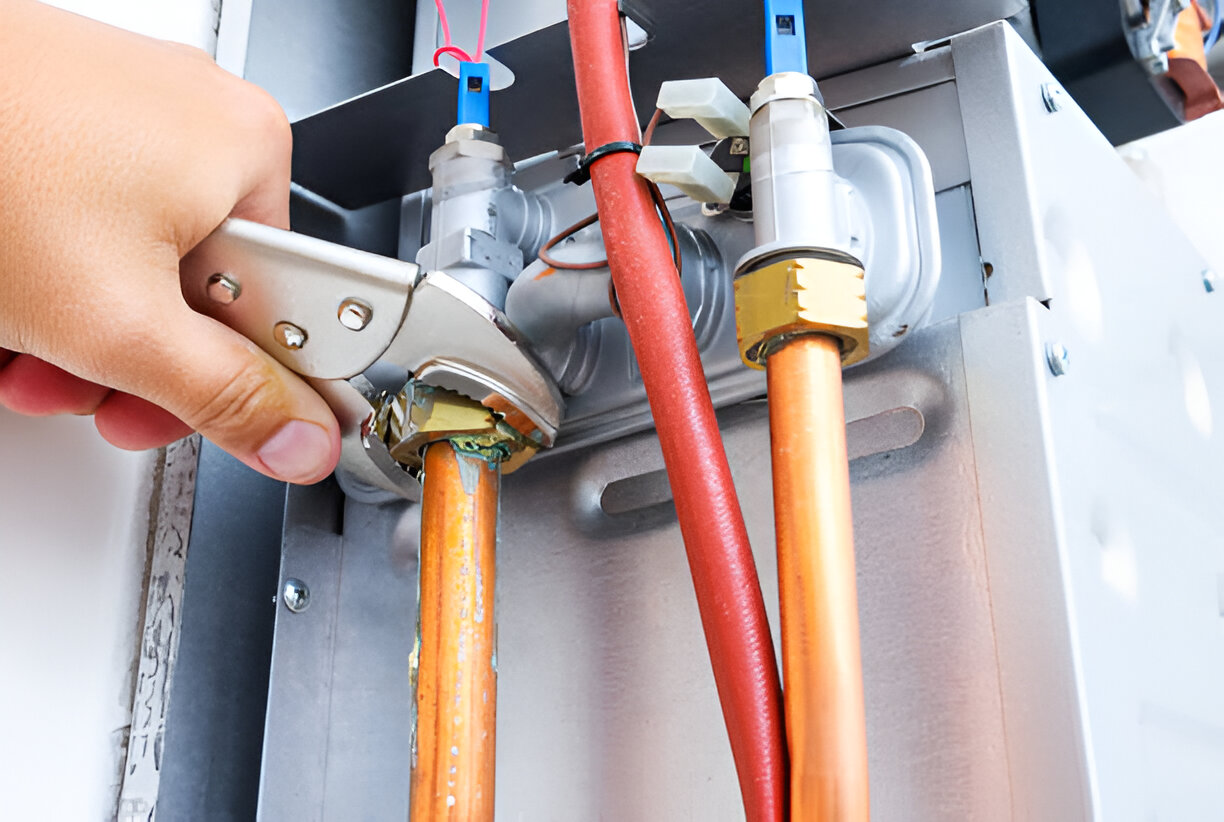
A full seasonal inspection for a residential furnace typically follows a detailed checklist to identify safety risks and restore peak performance:
- Heat exchanger and burner inspection
- Visual and, when indicated, more detailed inspection of the heat exchanger for cracks or corrosion.
- Burner cleaning and flame pattern check to ensure complete combustion.
- Ignition and pilot checks
- Inspect and test electronic ignition or pilot assemblies for reliable starting.
- Replace or adjust components if wear or contamination is detected.
- Thermostat calibration and control verification
- Confirm thermostat accuracy and verify system response across modes.
- Check control board diagnostics and error codes.
- Filter inspection and replacement recommendations
- Inspect existing filters, measure airflow impact, and recommend the correct filter type and replacement interval for your home and family needs.
- Airflow and ductwork assessment
- Test supply and return airflow, inspect visible ductwork for leaks, loose connections, or insulation issues, and note areas contributing to uneven heating.
- Safety tests, including carbon monoxide (CO) checks
- Perform CO sampling at the equipment and measure combustion byproducts where applicable.
- Verify proper venting and flue integrity for safe exhaust removal.
- Minor adjustments and cleanings included
- Tighten electrical connections, lubricate moving parts if applicable, and clean accessible components such as blower assemblies and condensate lines.
- Remove surface dust and debris that restricts airflow or instrument operation.
Diagnostic Process: What Technicians Do and What You’ll See
Technicians start with a system history and visual inspection, then run controlled start-up sequences while monitoring operational parameters. Typical steps include:
- Power-down safety checks, followed by component-level inspection.
- Controlled start-up to observe ignition, flame stability, and combustion behavior.
- Operational tests for blower operation, fan speeds, and thermostat control.
- Safety device verification, including limit switches and pressure switches.
Technicians provide a written summary of findings and, when applicable, a clear recommendation for repairs or replacements. Any additional repairs are described and approved before work proceeds.
Expected Service Time
A standard furnace tune-up generally takes 60 to 90 minutes for a single residential unit, depending on system age, accessibility, and whether additional cleaning or minor repairs are required. Complex systems or multi-stage equipment may require more time.
Transparent Pricing and Estimates
Transparent pricing practices mean you receive a clear, itemized summary of what the tune-up covers and any recommended follow-up work. Written estimates for repair items are provided before service begins, and inspections identify whether only routine maintenance is needed or if additional parts and labor will be required.
Benefits of Annual Furnace Maintenance
- Improved energy efficiency and lower operating costs by keeping burners and blowers clean and properly adjusted.
- Better indoor air quality due to regular filter replacement and reduced dust circulation.
- Fewer emergency repairs and longer system life by catching wear before it fails.
- Enhanced safety through combustion testing, CO monitoring, and vent inspections.
- More consistent comfort and fewer cold spots in the home.
Filter Recommendations and Ongoing Care
- Replace or clean filters at recommended intervals; busy households, pets, or allergy sufferers often need more frequent changes.
- Consider higher-efficiency pleated filters for improved indoor air quality, while confirming furnace compatibility to avoid airflow restriction.
- Regularly inspect vents and returns for obstructions and keep the area around the furnace clear to ensure proper airflow.
Maintenance Plans and Enrollment Process (What to Expect)
Maintenance plans commonly offer scheduled annual or bi-annual tune-ups, priority service windows during peak seasons, and documentation of completed services for warranty compliance. Typical enrollment steps include:
- Choosing a plan tier that matches the number of units and desired service frequency.
- Recording system details and service preferences on the provider’s maintenance roster.
- Receiving scheduled reminders and a documented maintenance history after each visit.Plans are designed to simplify upkeep and provide consistent service intervals that preserve system performance and warranty needs.
Final Notes on Safety and Local Factors
Fountain Hills homeowners should account for local environmental factors like monsoon dust, backyard barbecues, and seasonal pollen, all of which can impact furnace performance and indoor air quality. Because desert climates can create large day-to-night temperature swings, a tune-up ahead of the cooler season ensures your furnace will start reliably when needed.
Regular, professional tune-ups are a practical investment in comfort, safety, and equipment value for Fountain Hills homes. A thorough seasonal inspection, combined with routine filter care and attention to duct and airflow issues, keeps furnaces running safely and efficiently year after year.
Customer Testimonials
Hear directly from our customers about the quality, honesty, and care we bring to every job.