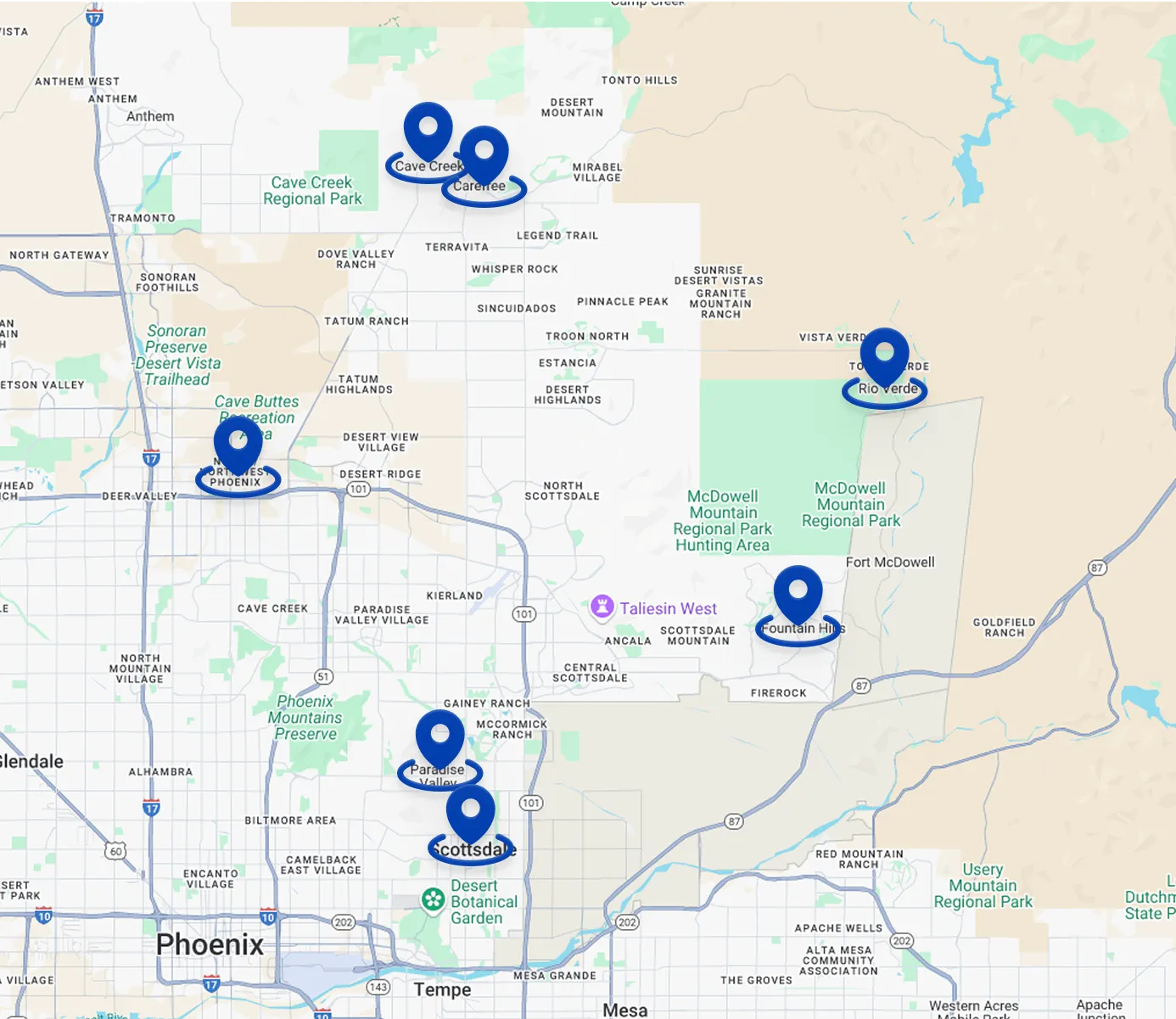
Heating Tune-up in Fountain Hills, AZ
Keeping your home comfortable and safe in Fountain Hills starts with a thorough heating tune-up. Even though winter in Fountain Hills is milder than in northern climates, temperature swings, high desert dust, and seasonal humidity changes can stress heating systems and reduce efficiency. A comprehensive heating tune-up addresses performance, safety, and efficiency so your furnace or heat pump runs reliably when you need it most.

Why a heating tune-up matters in Fountain Hills
Homes in Fountain Hills face unique conditions: dusty winds from the Sonoran Desert, monsoon-season particulates, and wide day to night temperature swings. Those factors increase strain on filters, fan motors, and heat exchanger surfaces. A routine tune-up clears build-up, verifies safe operation of combustion components, and restores efficient airflow—reducing unexpected breakdowns during cold snaps and keeping energy use under control.
Common heating issues in Fountain Hills homes
- Uneven heating or cold spots in rooms, often from restricted airflow or duct leaks
- Increased energy use compared with previous seasons, caused by dirty coils, clogged filters, or malfunctioning controls
- Short cycling (system starts and stops frequently) indicating airflow or thermostat problems
- Noisy operation from bearings, motors, or loose components after months of infrequent use
- Safety concerns such as pilot or ignition problems and potential carbon monoxide risks on gas-fired equipment
Comprehensive heating tune-up checklist
A full tune-up follows a step-by-step checklist to find small problems before they become major failures. Typical service items include:
- Inspection of furnace or heat pump:
- Visual and operational check of major components, including heat exchanger or reversing valve
- Confirm proper start-up and shutdown sequences
- Filter and airflow checks:
- Inspect and advise on filter condition and replacement needs
- Measure airflow and inspect return and supply vents for obstructions
- Evaluate ductwork for obvious leaks or disconnections
- Burner, ignition, and combustion system inspection:
- Clean burners or inspect heating elements on electric systems
- Verify ignition reliability and flame quality on gas units
- Check venting and flue condition for safe exhaust flow
- Thermostat calibration and control verification:
- Confirm thermostat accuracy and responsiveness
- Test system controls and safety interlocks
- Lubrication of moving parts:
- Lubricate fan motors, bearings, and other components where applicable to reduce wear and noise
- Safety and carbon monoxide tests:
- Perform carbon monoxide checks on gas-fired equipment and examine combustion byproducts
- Test safety switches, limit controls, and ignition safeguards
- Efficiency optimization and system settings:
- Clean accessible coils and blower assemblies to restore heat transfer and airflow
- Adjust system settings for optimal runtime and comfort balance
- Inspect condensate drains and pans on heat pumps for proper drainage
What diagnostics include
Technicians will run targeted diagnostics to assess operating efficiency and spot failing parts before they cause breakdowns. This can include measuring temperature differentials across the system, testing electrical connections, observing combustion characteristics, and checking current draw on motors. Findings are summarized so you understand any repairs recommended and why they matter.
What to expect during the visit
A typical tune-up visit takes about 45 minutes to 90 minutes depending on system type and condition. The technician will:
- Review recent concerns or symptoms you have noticed
- Perform the checklist items above, documenting findings as they go
- Explain any maintenance performed and identify corrective repairs if needed
- Leave a simple report of the work completed and recommended next steps
Technicians work to minimize disruption, wear protective shoe covers, and leave the work area tidy.
Benefits of regular heating tune-ups
- Improved reliability so the system starts and runs when you need heat
- Lower energy use through restored airflow and clean combustion or heat-exchange surfaces
- Longer equipment life by reducing stress on motors and components
- Enhanced safety through tested ignition systems and carbon monoxide checks
- Better comfort with more consistent indoor temperatures and fewer cold spots
- Peace of mind that small issues are caught before they become emergency repairs
Recommended frequency and timing
- Annual tune-up before the heating season is the standard recommendation for furnaces and heat pumps. In Fountain Hills, schedule maintenance in late fall to prepare for cooler nights and variable winter weather.
- Homes with pets, young children, or residents sensitive to indoor air quality may benefit from semiannual checks.
- Older equipment or systems with a history of issues may require more frequent attention.
Maintenance plans and enrollment (what to expect)
Many homeowners choose a maintenance plan for predictable, prioritized service. Typical plan features include scheduled annual visits, priority service during high-demand periods, and documentation that supports warranty requirements. Enrollment usually involves signing an agreement that outlines included services, anticipated visit frequency, and terms for additional repairs or parts. When considering a plan, look for provisions about technician licensing, inspection checklists, and how plan records are shared with you.
Signs you should get a tune-up sooner
- Strange odors or visible soot near the furnace area
- Noticeable increases in utility costs without a change in usage patterns
- Frequent cycling on and off or inability to maintain set temperatures
- Unusual noises such as banging, screeching, or loud rattles
- A recent move into a home where the heating history is unknown
Maintaining a reliable heating system in Fountain Hills is about more than comfort. It is about safety, efficiency, and protecting an important home investment. Regular tune-ups tailored to local climate conditions help ensure your furnace or heat pump performs efficiently and safely when you need it most.
Customer Testimonials
Hear directly from our customers about the quality, honesty, and care we bring to every job.