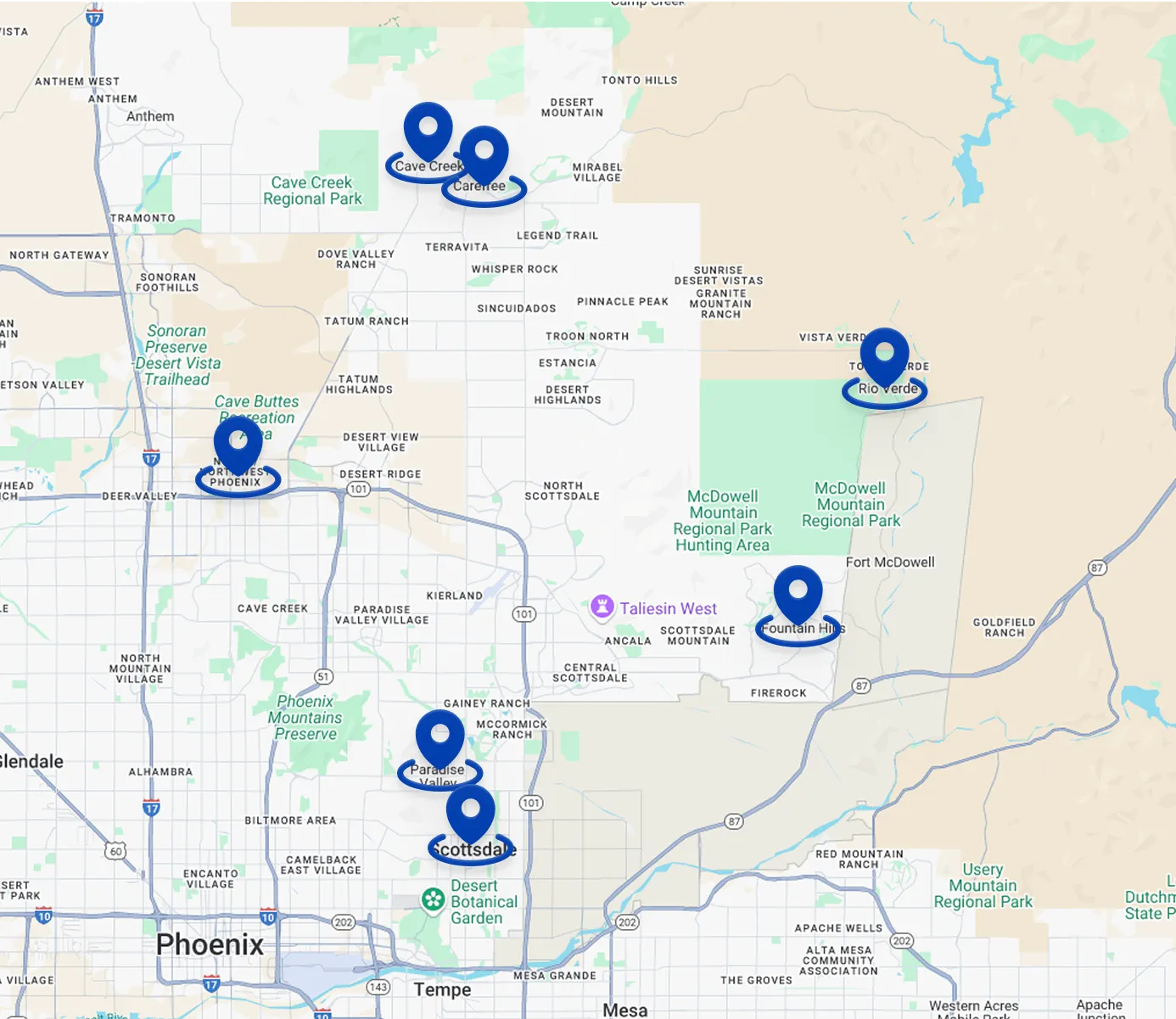
Furnace Tune-up in North Phoenix, AZ
Keeping your furnace tuned and ready matters in North Phoenix, AZ. Even though winters are milder than other regions, occasional cold snaps, large day-night temperature swings, and frequent dust from monsoon winds mean furnaces still need careful attention. A comprehensive furnace tune-up prevents mid-season breakdowns, improves efficiency, and keeps your home safe from combustion-related hazards like carbon monoxide.

Common furnace problems in North Phoenix homes
- Dirty or clogged air filters
Desert dust, pollen, and construction debris load filters quickly, reducing airflow and straining the blower motor. - Dirty burners and reduced combustion efficiency
Dust on burners can cause incomplete combustion, higher fuel use, and soot buildup. - Thermostat miscalibration or poor airflow
Incorrect temperature readings and blocked return vents lead to uneven heating and short cycling. - Ignition and pilot failures
Electronic igniters and pilots can fail with age or contamination, preventing the furnace from starting reliably. - Worn blower motors or belts
Restricted airflow and noisy operation come from worn mechanical parts. - Cracked heat exchanger or venting issues
Age, corrosion, or overheating can damage the heat exchanger, creating safety risks and requiring prompt repair.
What a comprehensive furnace tune-up includes
A professional tune-up is a methodical, safety-first inspection and maintenance process. Typical steps performed during a complete service are:
- Safety and combustion checks
Visual inspection for gas leaks, proper burner ignition, and safe venting. Combustion checks ensure the furnace is burning fuel cleanly and exhaust is venting correctly. - Burner and heat exchanger inspection
Clean burners and visually inspect the heat exchanger for cracks, corrosion, or warping that could allow combustion gases into the living space. - Ignition and pilot system checks
Test and clean electronic igniters, flame sensors, and pilot assemblies to ensure consistent startup. - Thermostat calibration and control tests
Verify thermostat accuracy and control board operation to prevent short cycling and incorrect system response. - Filter inspection and replacement guidance
Replace or recommend the correct filter type and size. In North Phoenix households, filters often need attention more frequently due to dust. - Lubrication and mechanical inspection
Lubricate motors and moving parts where applicable, inspect belts, pulleys, and dampers for wear. - Blower assembly and airflow testing
Clean the blower wheel, check motor amperage, measure airflow, and adjust blower speed if needed. - Electrical inspection and tightening
Inspect wiring, terminals, fuses, and safety interlocks to prevent intermittent failures and electrical hazards. - Flue and vent system inspection
Confirm proper draft, clear obstructions, and check for corrosion or loose connections in the venting system. - Performance and efficiency testing
Measure temperature rise, furnace cycling behavior, and, where applicable, combustion efficiency to document baseline performance. - Service report and recommendations
Provide a written summary of findings, repairs made, and recommended next steps for repair or replacement if issues are found.
A typical tune-up appointment lasts about 60 to 90 minutes depending on unit accessibility and any corrective repairs needed.
Benefits of routine furnace maintenance in North Phoenix
- Improved reliability
Preventive maintenance addresses small issues before they become emergency breakdowns during cold nights. - Peak efficiency and lower energy use
Clean burners, proper calibration, and unrestricted airflow reduce fuel consumption and help control utility costs. - Safer operation
Heat exchanger and venting inspections reduce the risk of carbon monoxide exposure and other safety hazards. - Extended equipment life
Regular service reduces wear and tear on parts, delaying expensive early replacements. - Fewer emergency repairs
Scheduled tune-ups catch problems early, minimizing sudden service calls when temperatures drop.
Recommended frequency and timing for North Phoenix
- Annual tune-up is the standard recommendation for most gas furnaces. Schedule service in the fall before the first sustained cold period.
- Twice yearly may be warranted for older systems, high-use homes, or units with recurring issues. In North Phoenix, consider an additional inspection after the monsoon season to clear accumulated dust and debris.
- Regular maintenance helps preserve any manufacturer warranties that require documented service.
Scheduling and service options
Professional HVAC providers in the region typically offer routine maintenance appointments, priority scheduling for repeat customers, and same-day or emergency furnace repairs during sudden cold spells. When booking maintenance, expect the technician to arrive prepared to perform diagnostic tests, safety checks, and a full tune-up within the appointment window. Clear access to the furnace and a clean surrounding area help the technician complete work efficiently.
Licensing, insurance, warranties, and financing
- Licensed and insured technicians are essential. Licensing verifies training and code knowledge. Insurance protects your home and the technicians during service.
- Warranties on parts and labor vary by provider and by the parts installed. Request written warranty details for any components replaced.
- Financing options can make larger repairs or replacement projects manageable. Many homeowners use flexible payment plans to spread costs for major work while keeping comfort and safety priorities intact.
FAQs
- How long does a furnace tune-up take?
Most comprehensive tune-ups are completed in 60 to 90 minutes. If repairs are required, additional time will be needed. - How often should I have my furnace serviced?
Annual service is recommended for most systems. Consider twice-yearly checks for older units or homes with heavy dust exposure. - Will a tune-up fix a furnace that wont start?
A tune-up can identify common causes like ignition, thermostat, or electrical issues and resolve many startup failures. If a major component has failed, replacement or further repairs may be necessary. - Will a tune-up lower my heating bill?
Yes. Restoring efficient combustion, proper airflow, and correct controls can reduce fuel use and improve performance. - What happens if carbon monoxide is detected?
Detection of elevated carbon monoxide levels requires immediate attention. The furnace should be shut down until repairs to the heat exchanger, venting, or burners are completed to eliminate the risk. - Do technicians service all brands?
Most licensed technicians service a wide range of furnace brands and models. For older or uncommon systems, specific parts may be harder to source.
Prioritizing a professional furnace tune-up in North Phoenix protects comfort, safety, and equipment value. Regular maintenance tailored to local conditions like desert dust and monsoon debris delivers more reliable heating, better efficiency, and peace of mind when temperatures drop.
Customer Testimonials
Hear directly from our customers about the quality, honesty, and care we bring to every job.