The Ultimate Guide to HVAC Preventative Maintenance
Maintaining your HVAC system is crucial for efficiency and longevity. I share essential insights that can prevent costly repairs and enhance comfort.


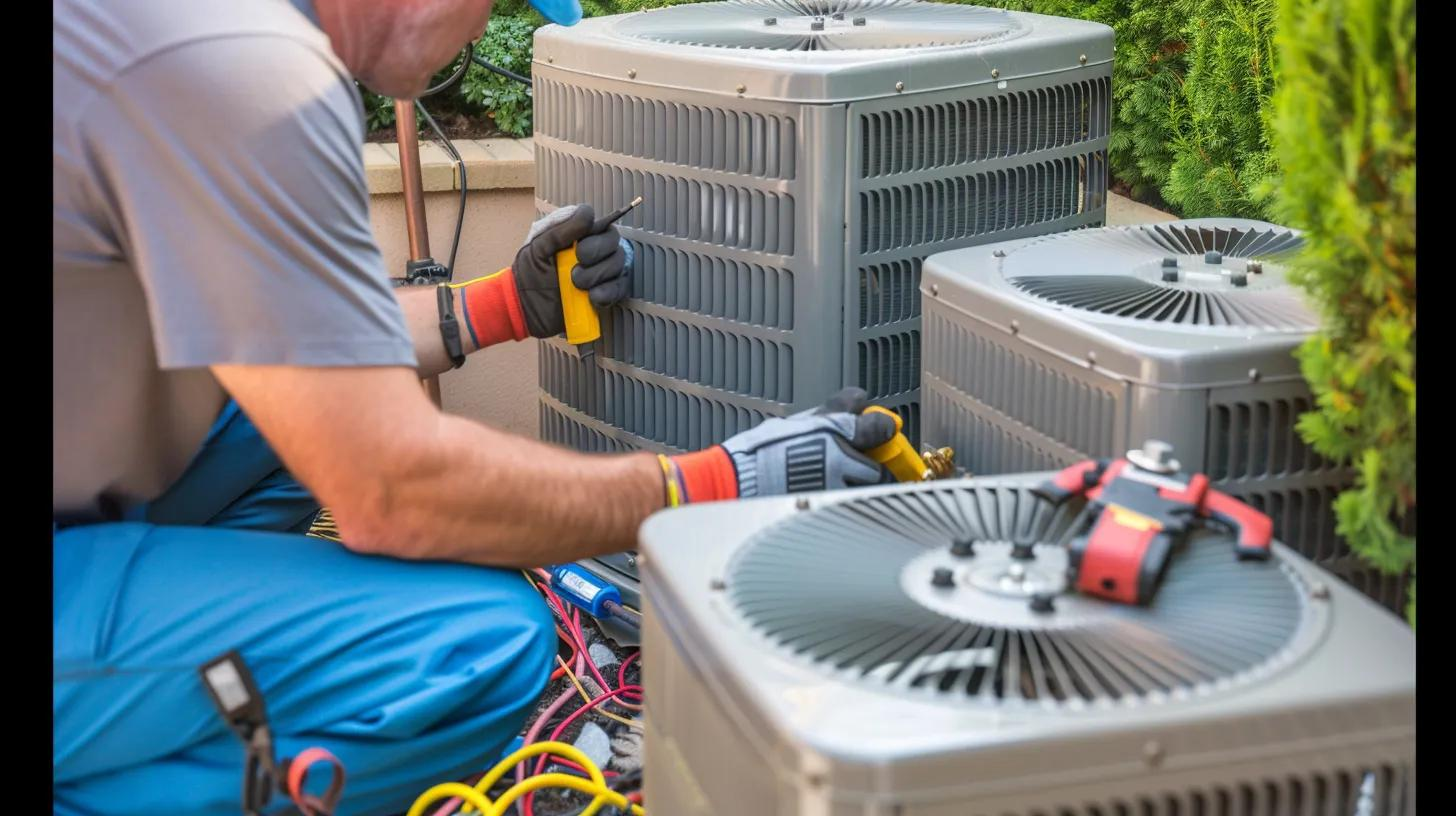
At LJ Refrigeration, we understand that proper HVAC maintenance is essential for reliable performance and energy efficiency. This guide explains the role of preventative maintenance and provides practical checklists and service plan information for homeowners and businesses. Regular servicing extends equipment life, improves indoor air quality, and reduces energy costs. Neglecting routine checks often leads to costly repairs and poor efficiency. The following sections cover recommended schedules, homeowner and technician checklists, the benefits of preventative care, and an overview of our service plans. Throughout the article, we include practical, actionable steps and explain why each activity matters so you can prioritize the most impactful tasks for your systems and budgets.
Preventative maintenance for HVAC systems consists of scheduled servicing of heating, ventilation, and air conditioning equipment to maintain efficient operation. This proactive approach identifies problems before they require costly repairs. A structured maintenance program improves reliability, reduces energy use, and preserves indoor comfort. Typical services include inspections, cleaning, and necessary repairs to optimize system performance. A complete program balances visual inspections, basic cleaning, performance measurements (such as airflow and temperature differentials), and small corrective actions so our technicians can catch early wear and maintain seasonal readiness.
Routine maintenance is critical to extend service life and maintain efficiency. Scheduled checks reduce unexpected failures and repair expenses. Proper maintenance improves energy performance, lowers utility bills, and increases occupant comfort. Conversely, neglect degrades performance and raises operating costs, so we encourage homeowners to prioritize these services. Regular attention also helps maintain warranty compliance in many cases and provides documented service history that can be valuable when selling a home or replacing equipment.
A consistent maintenance schedule keeps HVAC systems performing well. Perform seasonal tasks at least twice a year, preferably before the heating and cooling seasons. Key tasks include:
Adhering to this schedule helps HVAC systems run efficiently throughout the year. For busy households or commercial properties, consider setting calendar reminders or enrolling in one of our maintenance plans that schedule visits automatically. Seasonal tune-ups should also include a brief review of thermostat scheduling, safety devices, and condensate drainage to prevent off-season problems.
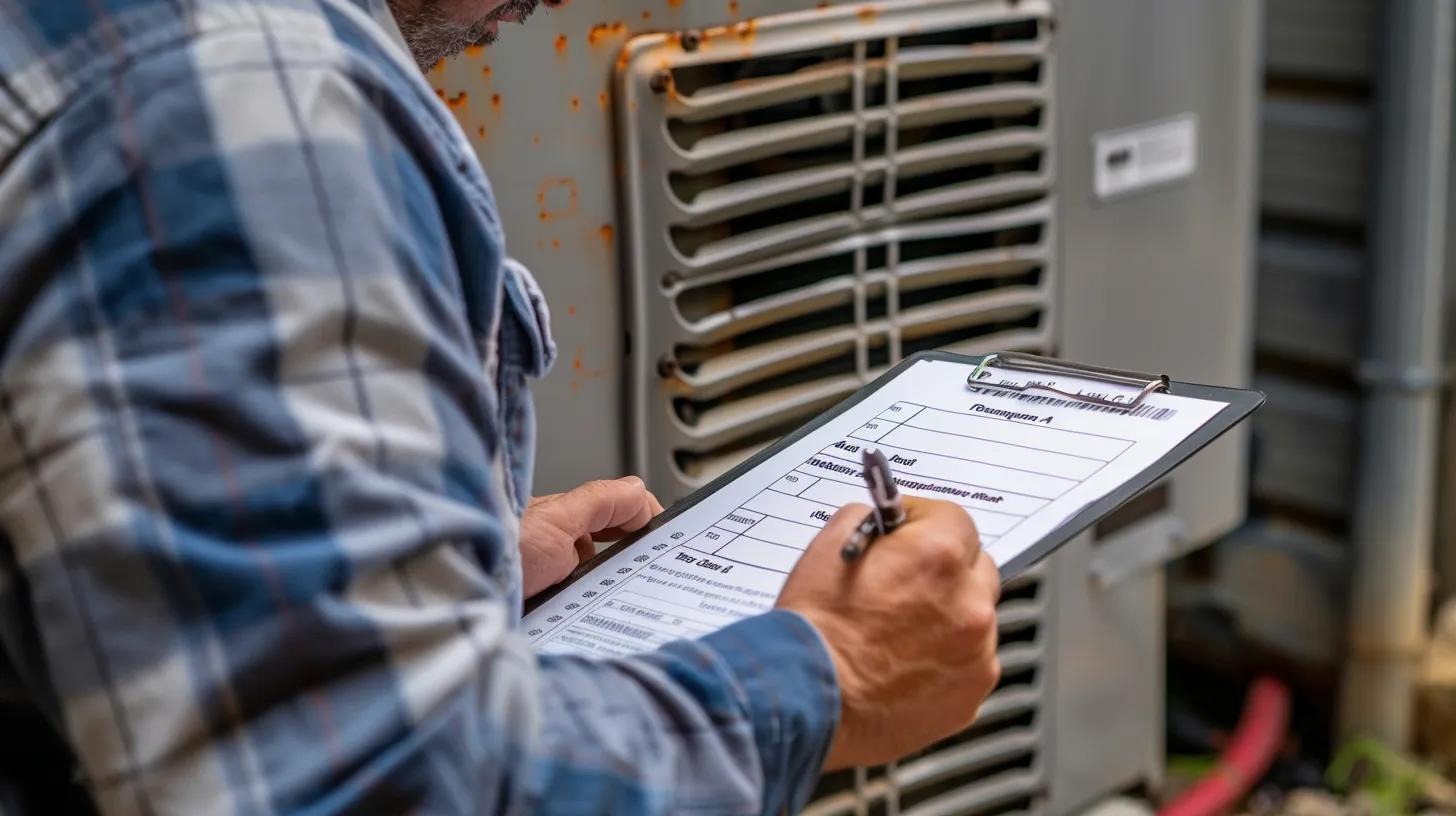
As a homeowner, you can perform simple checks between our professional visits to help maintain system performance. Use this checklist:
Following these steps helps maintain your HVAC equipment and detect potential issues early. When replacing filters, note the size and MERV rating recommended by the manufacturer; selecting an inappropriately restrictive filter can reduce airflow and strain equipment. For vents and returns, try to keep furniture and curtains away from registers and perform a quick visual check for dust buildup. If you encounter anything unusual—such as persistent odors, visible refrigerant oil, or frequent cycling—record the date and conditions and report them at your next professional service visit with us.
Our qualified technicians perform detailed inspections and maintenance during service visits. The following checklist outlines standard tasks:
This checklist helps our technicians verify system condition and restore optimal operation. In addition to the listed items, our technicians commonly inspect blower motors, belts, bearings, and safety interlocks, and will document measured values (such as suction and discharge pressures, voltage, and amperage) so trends can be tracked over time. Clear documentation enables targeted repairs rather than broad replacements and supports data-driven service recommendations.

Our maintenance plans provide scheduled services to keep your systems efficient. Plans commonly include inspections, priority service, and repair discounts. When evaluating a plan, consider the following:
Selecting an appropriate plan with LJ Refrigeration ensures your systems receive consistent, documented maintenance. Plans are typically offered in tiers—basic inspection-only packages up to comprehensive plans that include two tune-ups per year, parts discounts, and priority dispatch. Review exclusions carefully (for example, refrigerant or major component replacement) and confirm how emergency calls are handled. For commercial properties, a preventive maintenance contract can include performance verification and seasonal load testing as part of service.
Preventative care improves system performance and efficiency. Main benefits include:
Each benefit compounds over time. Energy savings accumulate through reduced run times and improved equipment coefficients of performance, while cost savings show up as fewer emergency repairs and postponed equipment replacement. Enhanced comfort from consistent temperature control and humidity management can also improve occupant satisfaction and productivity in commercial spaces.
Routine maintenance prevents common problems such as refrigerant leaks, dirty filters, and malfunctioning thermostats, all of which can reduce efficiency or cause failures. Addressing these issues proactively helps avoid emergency repairs and maintain consistent performance. Additional problems caught during regular service often include worn belts, dirty condensate drains, and failing capacitors—each of which can be addressed with modest expense if found early.
Inefficiencies increase energy consumption and reduce indoor comfort. For example, dirty filters restrict airflow and make systems work harder, while refrigerant leaks reduce cooling capacity. Regular inspections and cleaning mitigate these problems, resulting in lower energy use and improved comfort. Tracking simple metrics such as returned air temperature, supply temperature, and run-time per cycle can also reveal gradual declines in efficiency before they become obvious to occupants.
Neglecting regular furnace and AC tune-ups increases the likelihood of unexpected breakdowns, higher energy bills, and shortened equipment lifespan. These outcomes demonstrate the necessity of routine tune-ups to maintain reliable and cost-effective operation. Safety risks may also increase if components such as heat exchangers or combustion assemblies are not inspected when applicable; regular service reduces these hazards and gives peace of mind.
A maintenance checklist provides a structured method for inspections and routine tasks, enabling early detection of issues. Key elements include scheduled inspections, clearly defined task frequency, and documentation of activities. Following a checklist helps maintain system condition and reliability. Consistent documentation enables technicians to identify trends—such as gradual refrigerant loss or rising motor current—that indicate pending repairs before a failure occurs.
Key tasks in a preventative AC tune-up focus on airflow and cooling efficiency. Filter inspection and replacement, outdoor coil cleaning, and refrigerant level checks are standard procedures that help keep the air conditioning system efficient and dependable. Additional tune-up tasks often include measuring refrigerant pressures, checking compressor and fan motor operation, testing safety controls, and verifying thermostat operation and setpoint accuracy.
Adopting regular maintenance checks, performing basic homeowner practices such as filter changes and unobstructed vents, and conducting safety checks for carbon monoxide detectors and proper venting reduce hazards and support longer furnace life. Scheduling annual professional inspections before heavy-use months will allow our technicians to inspect the combustion system, seals, and flue connections to help prevent hazardous conditions and maintain safe operation.
Regular preventative care yields measurable energy benefits: lower utility bills from reduced consumption, optimized system performance, and an extended equipment lifespan that delays costly replacements. These outcomes justify the investment in scheduled maintenance. In practice, even modest efficiency improvements can noticeably reduce monthly energy costs in climates with large seasonal heating or cooling loads.
Maintenance reduces energy consumption by ensuring systems operate efficiently. Cleaning coils and filters, verifying refrigerant levels, and lubricating moving parts reduce energy waste and can produce substantial savings when performed consistently. Simple actions—such as sealing duct leaks, verifying thermostat setbacks, and balancing airflow—also contribute meaningfully to system-level efficiency and lower overall energy use.
Arizona, AZ's extreme heat increases cooling demand, so optimized HVAC systems are essential to control energy costs and maintain comfort. Regular maintenance reduces wear, extends equipment life, and sustains consistent cooling performance during peak demand. Given long cooling seasons in hot climates, small efficiency gains translate into higher annual savings and reduced strain on equipment during the hottest months.
Evaluate service plans by coverage level, benefits, and cost. Basic plans may include inspections, while comprehensive plans add priority service and repair discounts. Match the plan to system needs and budget to ensure scheduled maintenance is supported. For multi-unit buildings or commercial installations, look for plans that offer flexible scheduling windows and documented performance checks to align with operational requirements.
Comprehensive plans typically include scheduled tune-ups, priority response for service calls, and discounts on parts and repairs. These features provide homeowners with greater confidence that their systems will be maintained proactively. Other valuable features may include service reminders, emergency support, documented service reports, and optional add-ons such as indoor air quality assessments or duct cleaning when needed.
Service plans reduce unexpected breakdowns by providing regular inspections, timely repairs, and preventive care. This proactive approach lowers the likelihood of emergency repairs and delivers cost savings over time. By smoothing the timing of expenses and providing predictable service windows, plans also help with household or facility budgeting and reduce downtime associated with failed equipment.
At LJ Refrigeration, we deliver HVAC maintenance in Scottsdale, AZ and Phoenix, AZ through trained technicians, defined maintenance protocols, and customer-focused service plans. By prioritizing quality and consistent service, we help ensure systems operate efficiently and reliably. Our technicians typically document their findings and recommended next steps so you can make informed decisions about repairs or upgrades based on observed data rather than guesswork.
Quality preventative maintenance relies on trained and certified technicians, established inspection and service procedures, and a focus on customer satisfaction. Together, these elements support consistent, high-quality maintenance outcomes. Established protocols also include safety inspections, clear escalation procedures for detected defects, and communication of findings to the property owner with transparent pricing for recommended repairs.
You can schedule HVAC maintenance with LJ Refrigeration by phone or via online booking. A range of service options and maintenance plans is available to match your specific needs, making it straightforward to arrange service. When booking, please describe your system type, age, and any recent symptoms to help our scheduler select the appropriate service level and technician.
Emerging trends for 2026 include updated energy efficiency standards, continued technological advances that improve system performance and serviceability, and an emphasis on best practices. Adapting maintenance programs to these developments will help maintain compliance and efficiency. Remote monitoring and smart thermostats are increasingly common tools that support predictive maintenance by reporting performance trends and enabling proactive service interventions.
New efficiency standards affect maintenance by defining performance expectations and, in some cases, altering service requirements. Compliance may influence inspection frequency and component checks. Adhering to standards supports improved performance and lower energy costs. Technicians may need to update test procedures or documentation to align with revised manufacturer guidance or regional regulations.
Arizona, AZ's climate requires specific attention to efficient cooling, dust and allergen control, and rising energy costs. These local factors necessitate tailored maintenance strategies to protect system performance and indoor air quality. Frequent dust and particulate loading increase the importance of filter management and outdoor coil cleaning to preserve heat transfer efficiency and avoid premature component failure.
To maximize equipment lifespan, schedule regular inspections, address repairs promptly, and use quality replacement parts. These practices help maintain reliability and extend the service life of HVAC systems. Maintaining proper refrigerant charge, balanced airflow, and clean heat-exchange surfaces keeps equipment operating within design stresses and reduces the chance of early failure.
Best practices include scheduling inspections at least twice a year before heating and cooling seasons, cleaning coils, filters, and ducts, and conducting thorough checks to identify issues early. These steps help keep systems operating at peak condition. In addition, document each visit with a checklist and measured values so our technicians can compare results over time and catch gradual performance declines.
Preventative maintenance reduces repair frequency and costs by identifying faults early, avoiding major breakdowns, and maintaining reliable operation. Over time, these practices produce measurable cost savings and greater system uptime. Establishing a regular maintenance cadence also reduces the chance that minor faults cascade into more serious, more expensive failures.
Common customer questions focus on service frequency, what a typical tune-up includes, and the benefits of regular maintenance. Clear answers help homeowners understand the value and practical steps involved in maintaining their HVAC systems. It is also common to ask about expected service costs, turnaround time for repairs, and what to do in an emergency—questions we at LJ Refrigeration answer transparently.
HVAC systems should be serviced at least twice annually, with inspections and maintenance for both heating and cooling components. Regular servicing reduces the risk of breakdowns and can lower repair and energy costs. In high-use environments or those exposed to heavy dust, more frequent checks—quarterly or every three months—may be appropriate to maintain performance.
A typical furnace tune-up includes inspection of safety controls, cleaning of burners, and verification of thermostat calibration, among other checks. These procedures are necessary to maintain safe and efficient furnace operation. Our technicians will also check ignition systems, gas pressure where applicable, and flue performance to ensure safe combustion and proper venting.
Investing in preventative HVAC maintenance with LJ Refrigeration improves efficiency, reduces energy costs, and extends equipment life. Following a structured maintenance schedule and enrolling in one of our comprehensive service plans helps ensure reliable performance and comfort. Don’t wait for an unexpected breakdown—take proactive steps to protect your HVAC system. Explore our maintenance plans and schedule your service with us today.
Hear directly from our customers about the quality, honesty, and care we bring to every job.