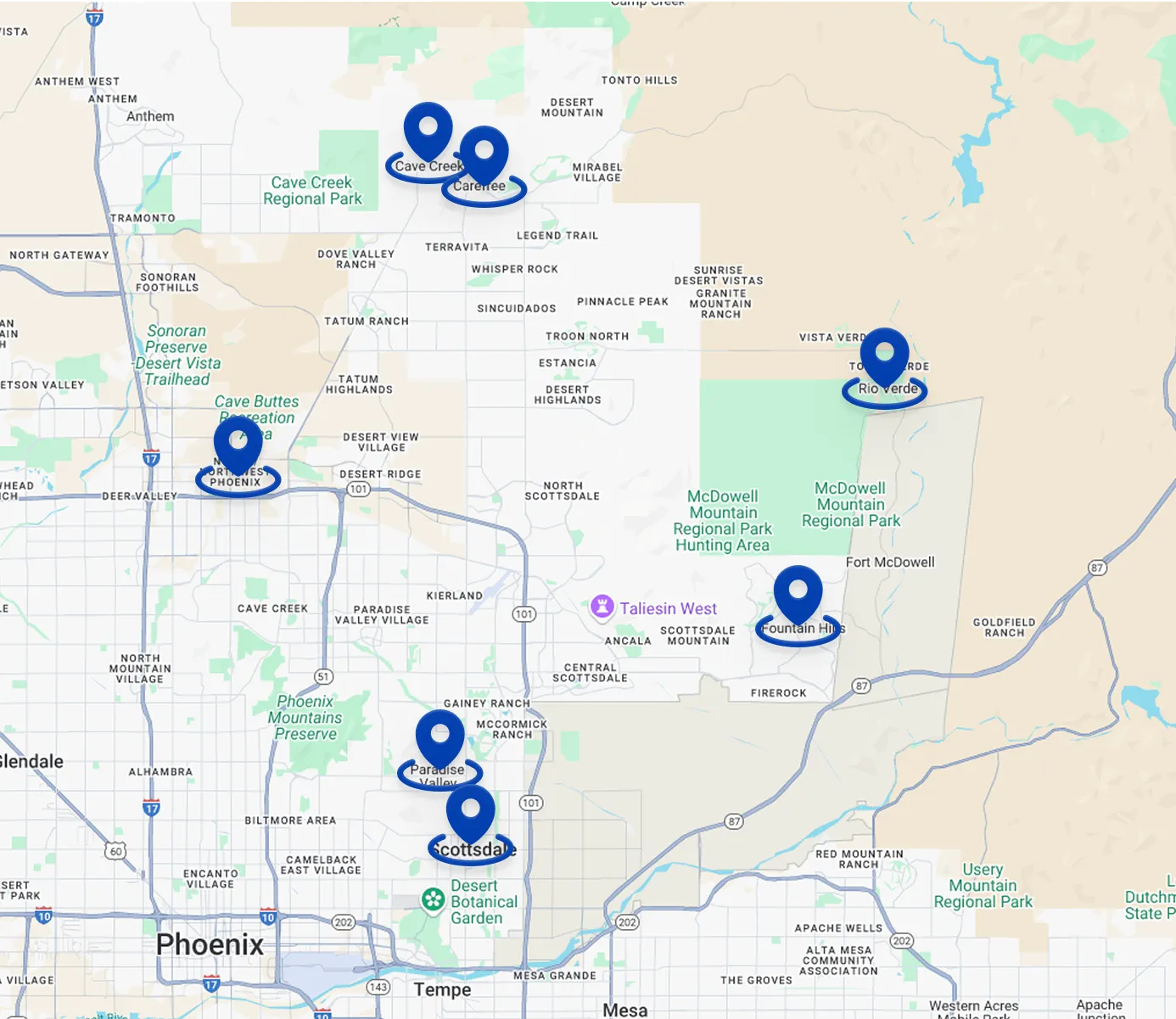
Furnace Tune-up in Rio Verde, AZ
A seasonal furnace tune-up is the single best preventive step Rio Verde homeowners can take to keep heating systems safe, efficient, and reliable through the cooler months. With desert conditions that drive heavy dust in spring and monsoon-related debris in summer, furnaces in Rio Verde face unique strain from clogged filters and reduced airflow. A professional tune-up addresses common wear points, improves performance, and reduces the chance of a midseason breakdown on a chilly night.
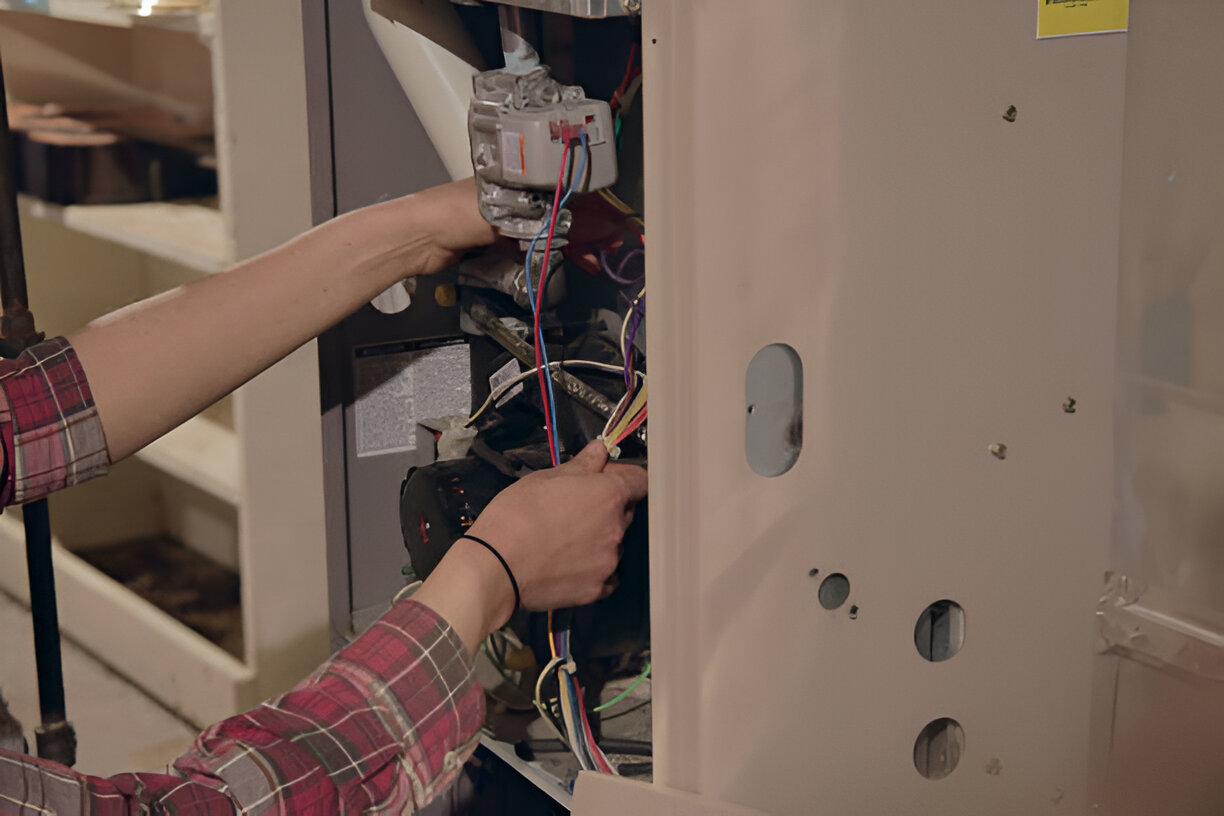
Common furnace issues in Rio Verde homes
- Dirty or clogged filters from dust, pollen, and irrigation spray, restricting airflow and forcing the system to work harder.
- Irregular ignition or burner flame problems caused by deposits or misalignment.
- Heat exchanger cracks or corrosion from age and thermal stress, a critical safety concern.
- Blower motor wear, loose belts, or failing bearings producing poor airflow and noise.
- Thermostat drift or incorrect calibration leading to uneven comfort and short cycling.
- Blocked vents, restricted return air, and duct leaks that lower efficiency and indoor comfort.
Seasonal furnace tune-up checklist - step by step
A comprehensive tune-up follows a clear inspection and maintenance sequence to catch problems early and restore peak performance.
- Visual and safety inspection
- Inspect the furnace cabinet, access panels, and surrounding area for safety hazards and integrity.
- Check vents and flue piping for proper attachment and obstruction.
- Filter replacement or assessment
- Replace disposable filters or advise on the condition of higher efficiency and reusable filters.
- Recommend the correct filter MERV rating to balance air quality and airflow for Rio Verde homes.
- Burner and ignition inspection
- Clean burners, remove carbon or debris, and verify proper burner alignment and flame color.
- Test ignition system and safety controls for reliable start and shutoff.
- Heat exchanger and combustion safety checks
- Visually inspect the heat exchanger for cracks or corrosion.
- Perform combustion analysis where applicable and verify proper venting to reduce risk of combustion byproducts.
- Thermostat calibration and controls
- Confirm thermostat settings, calibration, and control response to prevent short cycling and temperature swings.
- Blower motor, belt, and fan inspection
- Inspect blower assembly for dust buildup, test motor operation, check belt tension and condition, and lubricate bearings if required.
- Electrical system and component checks
- Tighten electrical connections, inspect capacitors and relays, and measure voltage to major components.
- Cleaning and lubrication
- Remove dust and debris from components, clean flame sensor and removable parts, and lubricate moving parts per manufacturer guidance.
- Airflow and performance verification
- Measure airflow and static pressure when appropriate, confirm temperature rise across the heat exchanger, and run the system through a heating cycle to verify consistent operation.
- Service report and recommendations
- Provide a written summary of findings, recommended repairs or replacements, and maintenance tips specific to your home and system.
Diagnostics and typical repairs included
During a tune-up, a technician uses visual inspection, basic combustion checks, and diagnostic tools to pinpoint issues. Many minor problems are repairable on the spot, such as:
- Replacing filters, belts, igniters, or faulty thermostats.
- Cleaning burners and flame sensors.
- Tightening electrical connections and replacing worn capacitors or relays.More serious conditions, like a cracked heat exchanger or major motor failure, require further evaluation and safety-based replacement. In those cases, a technician will document the safety risk and explain options.
Benefits of a furnace tune-up in Rio Verde, AZ
- Improved efficiency and lower energy use when your furnace runs without unnecessary strain.
- Greater reliability and fewer midseason breakdowns during cooler desert nights.
- Longer equipment life through proper lubrication, cleaning, and early repair of wear items.
- Safer operation by identifying combustion or venting problems before they become hazardous.
- Better indoor air quality from clean filters and reduced dust circulation.
- Documentation that can support warranty compliance and resale value.
Recommended frequency and maintenance plans
- Annual tune-up before the heating season is the industry standard and the best baseline for most Rio Verde homes.
- Homes with heavy dust exposure, pets, or recent renovations can benefit from semiannual service to keep filters and airflow optimal.
- Maintenance plans typically bundle scheduled tune-ups, priority service, and regular filter delivery to simplify upkeep and protect system longevity.
Safety, licensing, and what to expect
Licensed and insured HVAC technicians follow safety protocols for combustion and electrical systems. Combustion safety checks and heat exchanger inspections are central to preventing carbon monoxide risks. After service, expect a clear written report describing the work performed, parts replaced, any safety concerns, and recommended next steps. Keep service records to track maintenance history and support warranty obligations.
Frequently asked questions
- How long does a tune-up take?Typical tune-ups require 45 minutes to 90 minutes depending on system condition and whether repairs are needed.
- Will a tune-up stop strange noises?Many sources of noise—loose components, worn belts, or dirty blower wheels—are diagnosable and often corrected during a tune-up.
- Can I do my own tune-up?Homeowners can change filters and keep the area clear but combustion checks, electrical tightening, and detailed diagnostics should be performed by licensed technicians.
- Is carbon monoxide testing part of a tune-up?Combustion safety checks and visual heat exchanger inspections are standard. Specific CO testing may be included depending on the service and equipment.
- How will I know if the heat exchanger is compromised?Visual signs, age, and performance metrics may indicate a problem. If a technician suspects a crack or leak, they will prioritize safety and recommend further action.
- How often should I replace filters in Rio Verde?Under desert dust conditions, change standard disposable filters every 1 to 3 months. Higher efficiency filters or homes with fewer contaminants may allow longer intervals.
A professional furnace tune-up tailored to Rio Verde conditions protects comfort, safety, and equipment value while addressing the local factors that affect performance. Regular seasonal maintenance reduces surprises, improves home comfort on cool nights, and helps your heating system run at peak efficiency.
Customer Testimonials
Hear directly from our customers about the quality, honesty, and care we bring to every job.